Commercial door & locksmith service · Washington DC, nearby Northern Virginia and nearby Maryland · Call 703-244-0559

Commercial door & locksmith service

Scheduled security coordination

Access Control for Commercial Doors in Washington DC

Commercial access-control door and hardware assessment for businesses, facilities and managed properties.

Serving Washington DC, with nearby Northern Virginia and Maryland requests reviewed by service location.

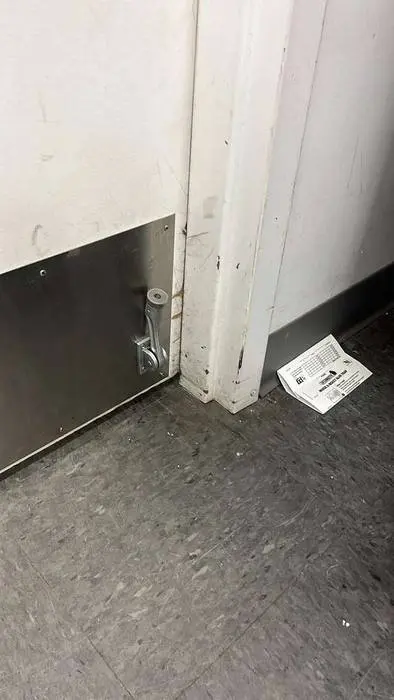
Commercial door with access-control hardware
Commercial access-control door hardware shown; the image location is not published.

Start with the problem

Start with the door before selecting electronics

An access-control system depends on a door that closes, aligns and latches consistently. A reader or controller cannot compensate for a dragging door, failed closer, damaged frame or incompatible lock. A door-side assessment identifies those conditions before equipment is specified.

Call with the number of doors, existing system, desired credential workflow and the parties providing electrical, cabling, controls and life-safety review.

Convert a keyed opening to controlled entry
Controlled-entry hardware and latch do not align
Door will not close or latch after release
Reader works but door hardware does not
Exit hardware must remain operable
New door needs electrified preparation
Tenant turnover requires credential and key planning
Multiple trades need a clear responsibility matrix
Diagnosis and scope

Door-side components and interfaces

The appropriate hardware depends on the opening, egress function, traffic, existing preparation and system design. Do not order a lock, strike or magnet from a photo alone when the door and frame have not been verified.

Key points

  • Mechanical and electrified lock functions
  • Electrified lock functions and door preparation
  • Request-to-exit and door-position interfaces
  • Panic or exit hardware coordination
  • Door closers, hinges and alignment
  • Power-transfer and cabling pathway responsibilities

Commercial decision support

Define who owns each part of the project

Access-control projects often involve a property team, security integrator, electrician, locksmith/door contractor and sometimes a general contractor or design professional. The estimate should state who supplies, wires, programs, commissions and warrants each component.

If another provider already manages the head-end system, share their hardware requirements and contact. This avoids a door-side product that cannot communicate with or support the intended system.

Key points

  • Reader, credentials and controller
  • Power supply, cabling and fire-alarm interface
  • Lock/strike/exit hardware and door preparation
  • Programming, commissioning and user training
  • Permits, drawings and inspections when applicable

Service details

Security must preserve safe egress

Controlled entry does not mean uncontrolled exit. Existing exit hardware, door swing, release requirements and the approved system design must be considered before modifying an opening. Fire-rated doors add assembly and hardware constraints that should be verified for the project.

This page does not promise that a proposed configuration meets every local requirement. The responsible design and authority review remain project-specific.

Key points

  • Document how occupants exit during normal operation
  • Define behavior during power loss and alarm conditions
  • Preserve required mechanical operation
  • Coordinate rated openings and approved hardware
  • Test the completed scope with responsible trades present

What happens next

How a scheduled request moves forward

Call with the service location and opening details. The request is reviewed and the available next step is confirmed directly.

  1. Describe doors and desired access

    Share door count, user groups, hours, existing keys/credentials and any current failures.

  2. Assess openings and responsibilities

    Verify door/frame/hardware condition and identify the integrator, electrical and programming scopes.

  3. Approve a coordinated design

    Select compatible door hardware and document interfaces, exclusions and authority/design review needs.

  4. Install, commission and hand off

    Complete only the authorized scope, coordinate testing and document who supports each part afterward.

Commercial property types

Built for facility and business needs

  • Offices and coworking spaces
  • Retail and restaurants
  • Medical and education facilities
  • Warehouses and service areas
  • Commercially managed multifamily common areas
  • Multi-tenant commercial properties

Commercial door, lock and hardware service for businesses and managed properties.

Request service

Review the project details we will ask for

The disabled form shows the building, opening-count and project details to prepare before calling.

Call to Discuss the Project 703-244-0559

Online form unavailable. Online requests are currently unavailable. Call to discuss commercial service.

Planned commercial project details

Commercial door, lock and hardware service for businesses and managed properties.

The form is shown for reference but cannot be completed or sent. Call to discuss scope and availability. See the privacy policy.

Online submissions are disabled.

Commercial FAQ

Questions about this commercial service

Can access control be added to an existing commercial door?

Often, but the door, frame, lock function, exit method, closer and available wiring path must be assessed before compatible hardware is selected.

Do you provide the reader and software?

System supply, programming and ongoing software support must be confirmed for each project. Call with the existing integrator or complete scope that needs review.

Why does the controlled door fail to latch?

Common causes include door/frame misalignment, closer problems, strike position, preload, hinge wear or incompatible hardware. Diagnose the opening before changing programming.

Can panic hardware work with access control?

There are configurations that coordinate controlled entry with exit hardware, but the specific opening, hardware, egress function and project requirements must be reviewed.

Ready to define the commercial scope?

Commercial installation, inspection and planned repair service for businesses and managed properties.